A Diver's Week in the Maldives: A Coral-Crusted Wreck Near Malé, Then Whale Sharks in South Ari
Winter is the Maldives' sunny season. Spend it underwater: North Malé Atoll's classic reefs and its famous wreck, then the marine park where whale sharks turn up all year.

Most Maldives trips are built around a villa. This one is built around the water. From November to April the northeast monsoon is in charge, and the tourism board describes it as generally sunny, against the rainy southwest monsoon of May to October. That makes winter the easy season to be out on a dive boat every day.
Before you go. The State Department rates the Maldives Level 2, exercise increased caution, because of terrorism, and notes that attacks could happen on remote islands, where help takes longer to arrive. Our before-you-go guide has the entry rules: a free visa on arrival, the free IMUGA traveller declaration, and the list of things you can't bring in, alcohol included.
Day one: Malé. If you land early, take the short trip into the capital for Hukuru Miskiy, the Old Friday Mosque. The tourism board says it was built in 1658, with its minaret added in 1675, and calls them the oldest structures standing in Malé. The walls are interlocking coral blocks carved with patterns, and the graveyard beside it has 17th-century tombstones, rounded on top for women and pointed for men. Dress modestly: the tourism board asks visitors to respect local custom on inhabited islands.
Days two and three: North Malé Atoll. This was the first atoll to open to tourism, and the tourism board calls its dive sites some of the most popular in the country. Its picks: Banana Reef for the sheer amount of fish, HP Reef for caves and crevices, Nassimo Thila for caves and coral, and the Maldives Victory, a ship that sank in 1981 and now sits at about 35 meters covered in coral, with groupers, fusiliers and batfish living on it. At that depth it's a dive for experienced, properly certified divers. One thing you won't get in winter: the mantas at the atoll's Manta Point gather from May to October.
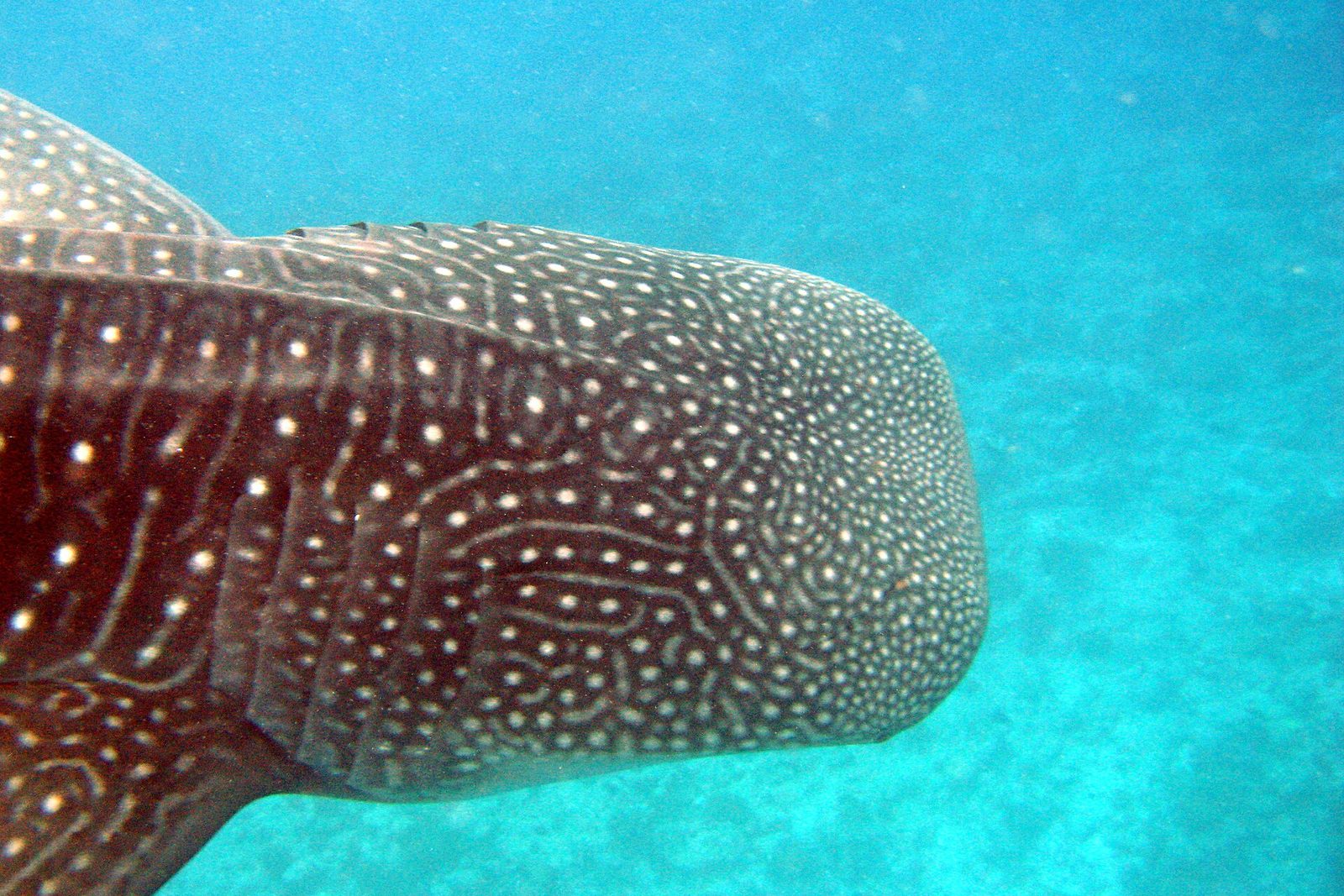
Days four to six: South Ari Atoll. Whale sharks are found in the South Ari Marine Protected Area all year, the tourism board says, and the same individual sharks keep coming back: it calls the area's re-sighting rate the highest of any whale shark hotspot in the world. They're mostly cruising, not feeding in one spot, so a day on the water is a search, not a guarantee.
How to do it. You can stay at a resort with its own dive center in each atoll, or do the whole week on a liveaboard boat; the tourism board lists both, along with guesthouses on local islands. Whichever you choose, ask the dive center what certification and logged dives it wants for the deeper sites before you book.
Day seven: rest, then fly. Keep the last day dive-free before your flight home. If your flight is late at night or first thing in the morning, Hulhumalé, the island joined to the airport, has new hotels, including the 162-room Manhattan Grand Hotel, which opened Nov. 7, the tourism board's trade site reports.
New at the airport: Maldives Immigration says foreign travellers with electronic passports can now use 35 automated e-Gates at Velana International Airport, if their nationality and airline are on its list. Our story has the details.
Money: resort and dive prices are usually quoted in U.S. dollars. On Nov. 28, US$1 was about 15.4 Maldivian rufiyaa.
Sources
- Visit Maldives, Diving in North Malé Atoll
- Visit Maldives, Whale Sharks: South Ari Atoll
- Visit Maldives, Hukuru Miskiiy
- Visit Maldives, Travel information
- Visit Maldives Corporation, Manhattan Grand Hotel officially opens in Hulhumalé
- Maldives Immigration, e-Gate Services Extended to Foreign Travellers at Velana International Airport
- U.S. State Department, Maldives travel advisory (Level 2, Oct. 7, 2025)
- ExchangeRate-API, U.S. dollar rates for Nov. 28, 2026