Before You Fly to Italy: Passport Dates, Europe's Fingerprint Check, Strike Days and the €2 Fountain
Italy follows Europe's Schengen border rules, which changed in April, and it has a few rules of its own. Here is what the official pages say. Checked Nov. 20.
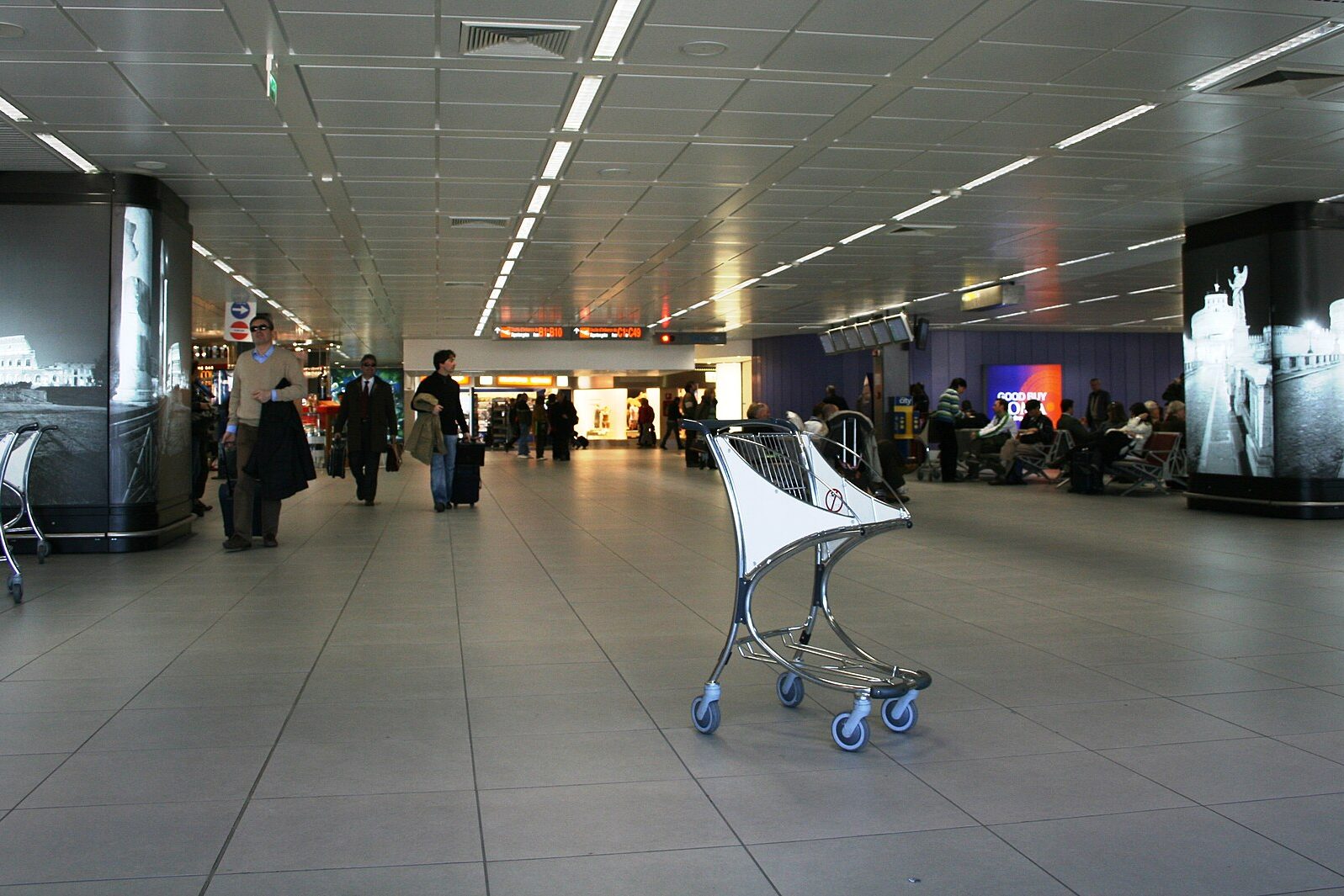

Italy is in the European Union and the Schengen area, the group of European countries that share one outer border. So the rules at the airport are Europe's.
Passport. Italia.it, the official tourism site, says travelers from outside the EU need a passport valid for at least three months after the date they plan to leave the Schengen area. On visas, it sends you to the Italian foreign ministry's checker at esteri.it, where you enter your nationality and the length of your stay. We could not open the State Department's Italy entry page or the ministry's visa page from our reporting tools today, so confirm the rule for U.S. passports there before you book.
The fingerprint check. Europe's Entry/Exit System became fully operational on April 10, 2026, in 29 countries, Italy included. Instead of a passport stamp, the border records your name, passport data, fingerprints, a facial image and when and where you enter and leave. It is built to catch overstays, so count your days: the European Commission describes a short stay as up to 90 days in any 180-day period. Italia.it's page still talks about a passport stamp; the Commission's page is the current one.
The form that isn't here yet. ETIAS is a travel authorisation the EU plans for visa-free visitors to 30 European countries. The Commission's page says it is not in operation, no applications are being taken, and a start date will be announced several months ahead. The fee has been set at €20 (about $22) for when it does start. If a website tries to sell you one today, close the tab.
Safety. The State Department's advisory, issued Sept. 10, 2026, is Level 2, exercise increased caution, because of terrorism. It adds that petty crime is common at tourist sites and on public transportation, trains included: purse snatching, pickpocketing and car break-ins. On Nov. 20 the U.S. Embassy in Rome also issued a holiday-season security alert asking Americans to stay alert at markets, festivals and other crowded places. The single emergency number is 112; 118 reaches medical help directly.
Strikes. They are part of travel in Italy this fall. A national rail strike runs from 9 p.m. Nov. 20 to 8 p.m. Nov. 21, and the embassy says walkouts and demonstrations have grown more frequent across Europe. They are announced in advance. Rail companies publish lists of guaranteed trains, and The Local, an English-language news site, reports that Italian law protects flights scheduled from 7 to 10 a.m. and 6 to 9 p.m. One more: the embassy says Naples airport is closed to all passenger flights through Nov. 30 for runway work.
Money. Italy uses the euro; on Nov. 20 a dollar bought about €0.91. Italia.it says major credit cards are widely accepted and there are ATMs at airports, big stations and banks. Tipping is not required; the site says about 10 percent is customary when you are happy with the service. Keep your receipts. You can carry up to €9,999.99 (about $10,980) in cash into the country without declaring it.
Getting around. Take the train. High-speed lines link the big cities, Milan to Rome in just over three hours, run by two companies, Trenitalia and Italo. Italia.it's advice: check at the station whether your paper ticket needs stamping in a machine before you board. To drive, travelers from outside the EU need an international driving permit along with their license. The autostrade (motorways, green signs) charge tolls, payable by cash or card. In city parking, blue lines mean pay, white usually means free and yellow is reserved.
Small fees and when to go. Rome charges visitors €2 (about $2.20) to step down to the Trevi Fountain's basin, every day from 9 a.m. to 10 p.m. Venice's day-visitor fee is switched off until March 26, 2027; our separate story has the dates. We did not find one official page on the best months, but the calendars tell the story. Christmas markets run from late November to Jan. 6. Shops hold sales after the holidays. The Colosseum keeps short winter hours until Feb. 28. And Venice's fee days, late March to mid-August, mark when the crowds come. Dollar figures use exchange rates from Nov. 20, 2026.
Sources
- Italia.it, Documents needed to travel to Italy
- European Commission, Entry/Exit System
- European Commission, ETIAS
- U.S. State Department, Italy travel advisory
- U.S. Embassy in Italy, Security Alert, November 20, 2026
- U.S. Embassy in Italy, Demonstration Alert, November 20-21, 2026
- U.S. Embassy in Italy, Temporary total closure of Naples-Capodichino International Airport
- The Local Italy, How will flights be affected by Italy's strikes on Sunday?
- Italia.it, Currency and payments
- Italia.it, Travel to Italy
- Italia.it, Getting around Italy
- Italia.it, Emergency
- Turismo Roma, Trevi Fountain: new entry fee for one of Rome's symbols
- City of Venice, Venice Access Fee
- Parco archeologico del Colosseo, Opening times and tickets
- ExchangeRate-API, U.S. dollar rates for Nov. 20, 2026