Before You Fly to Japan: Passports, the Arrival Website, Rail Pass Prices and a Rule About Your Passport
What Japan's tourism office says about getting in, what the national rail pass costs now and what the State Department says about safety. Checked Nov. 20.
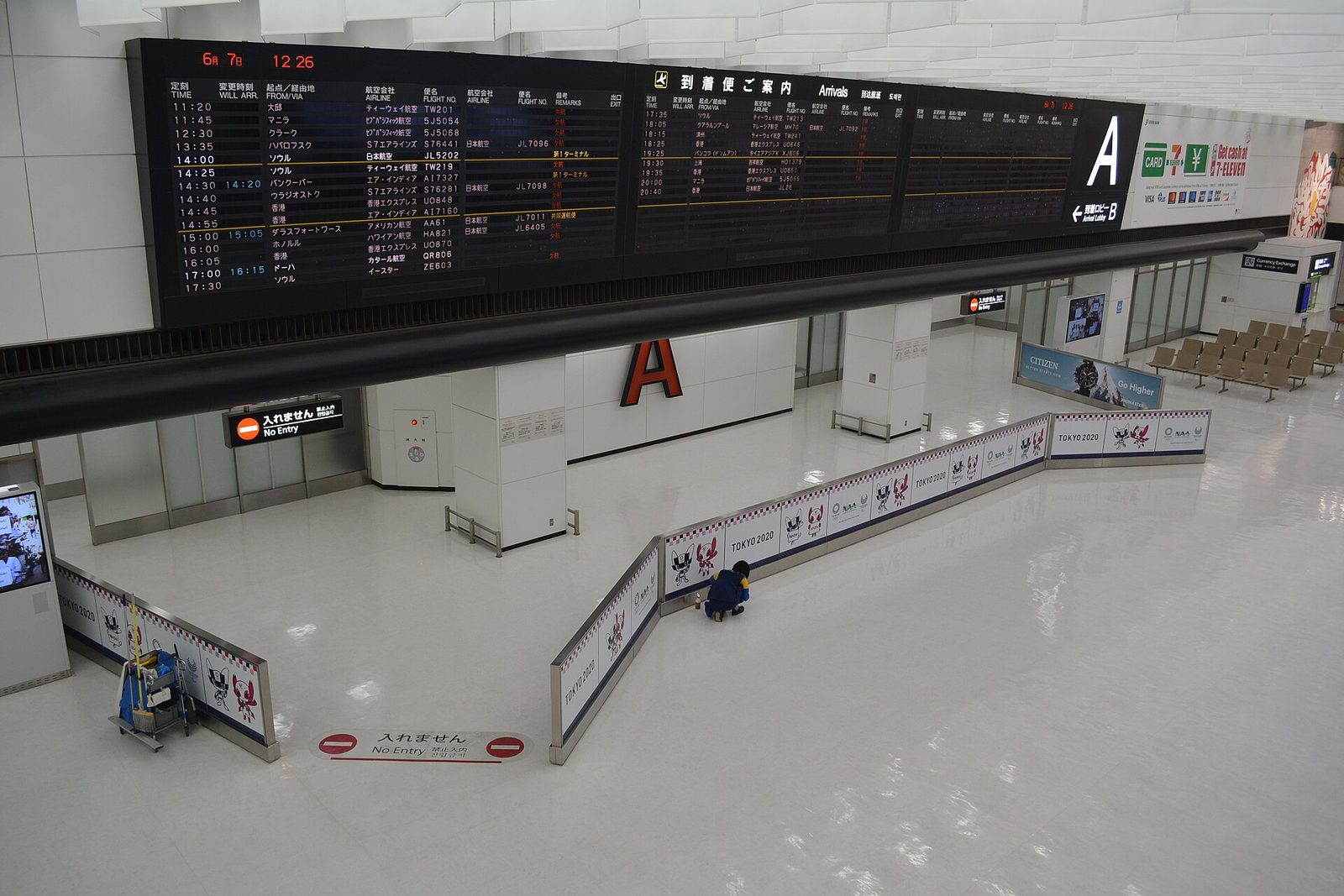

Japan is one of the easier long-haul trips to set up. Here is what the official sources say today.
Getting in. The Japan National Tourism Organization says every visitor needs a valid passport, and that passport holders from countries with a visa-exemption arrangement do not need a visa for tourist stays of 90 days or less. Most short stays are allowed up to 90 days. We could not open Japan's Foreign Ministry list or the State Department's Japan page from our reporting tools today, so confirm the current rule for U.S. passports on the ministry's list, which JNTO links, before you book.
At the airport. All foreign visitors are fingerprinted and photographed on arrival, Japan-Guide notes; children under 16 are excluded. You can fill in immigration and customs details ahead of time on Visit Japan Web. JNTO says registering is not required but makes things like tax-free shopping easier.
Carry your passport. Foreign tourists are required to have their passports on them at all times, according to Japan-Guide.
Coming later. Japan plans an ESTA-style pre-registration system, with a fee, for visa-waiver visitors by March 2029, Japan-Guide reports. Details have not been announced, and it does not apply now.
Trains. The Japan Rail Pass gives unlimited rides on most JR trains, including bullet trains. Bought online from JR, the ordinary pass costs ¥50,000 for 7 days (about $313), ¥80,000 for 14 days (about $501) and ¥100,000 for 21 days (about $626). Children 6 to 11 pay half. Through an overseas travel agency the same passes are ¥53,000, ¥84,000 and ¥105,000. The fastest Nozomi and Mizuho bullet trains need a separate supplement ticket. Japan-Guide's view is that the pass lost much of its appeal after a big price rise in 2023, so add up your individual fares before buying.
Money. The currency is the yen. On Nov. 20 a dollar bought about ¥160. For tax-free shopping, the rules changed on Nov. 1; see our separate story.
Safety. The State Department's advisory for Japan is Level 1, exercise normal precautions, its lowest level. One seasonal warning from this month's news: Mount Fuji's climbing season ended in early September, the mountain huts are closed, and a tourist who set out alone on Nov. 8 was still missing nine days later, SoraNews24 reports. Do not climb it off-season.
What this guide doesn't cover yet: airport transfers and the best months to go. We will add those as we check them.
Sources
- Japan National Tourism Organization, Visa information
- Japan-Guide, Immigration
- Japan Rail Pass, Types and prices
- Japan-Guide, Japan Rail Pass
- U.S. State Department, Japan travel advisory
- SoraNews24, Foreign tourist missing after off-season Mt. Fuji hike
- ExchangeRate-API, U.S. dollar rates for Nov. 20, 2026