Before You Fly to Portugal: The 90-Day Rule, the New Border Scan, a Rainy-Season Warning and Why to Pack Travel Insurance
Americans don't need a visa, and the State Department rates Portugal at its lowest level. Rules checked Nov. 26.

The short version: a passport with at least three months left after your trip gets you in for up to 90 days, there's a fingerprint and photo check the first time you arrive, and winter here means rain.
Visa. Portugal is in the Schengen area. The State Department says a valid U.S. passport lets you stay up to 90 days for tourism or business in any 180-day period, counting all Schengen countries together; you need a visa to stay longer.
Passport. Schengen countries require your passport to be valid for at least three months beyond your planned departure date, the State Department says, and it recommends six months.
The new border check. Since April 10, 2026, every Schengen country runs the Entry/Exit System at its external borders, according to eu-LISA, the EU agency behind it. It takes your fingerprints and a facial image on your first entry and replaces passport stamps with a digital record, so give yourself extra time at the airport.
No ETIAS yet. The EU's planned €20 online travel authorization is not required yet. Afar reported in July, citing the Financial Times, that it has been pushed to 2027. Don't pay any site that claims to sell one now.
Safety. The State Department's advisory for Portugal, issued Dec. 23, 2025, is Level 1, exercise normal precautions, its lowest. It calls Portugal generally safe and tells travelers to watch for petty theft in crowded tourist areas and on public transportation. The U.S. Embassy in Lisbon also posts strike and demonstration alerts.
Weather. On Nov. 10 the embassy warned of storms Bruna and Charles and said Portugal's rainy season typically lasts until March, with more heavy rain, flooding and strong winds possible. It suggests allowing extra travel time, checking with your airline, and following IPMA, Portugal's weather service, for warnings.
Health care. Pack travel insurance. On Nov. 23, a parliamentary committee approved a budget amendment to help public hospitals collect payment from non-resident foreign visitors who use the national health service without insurance or other coverage, The Portugal News reports. It doesn't create a new charge; those visitors already have to pay.
Money. The currency is the euro. On Nov. 25, €1 was about $1.10.
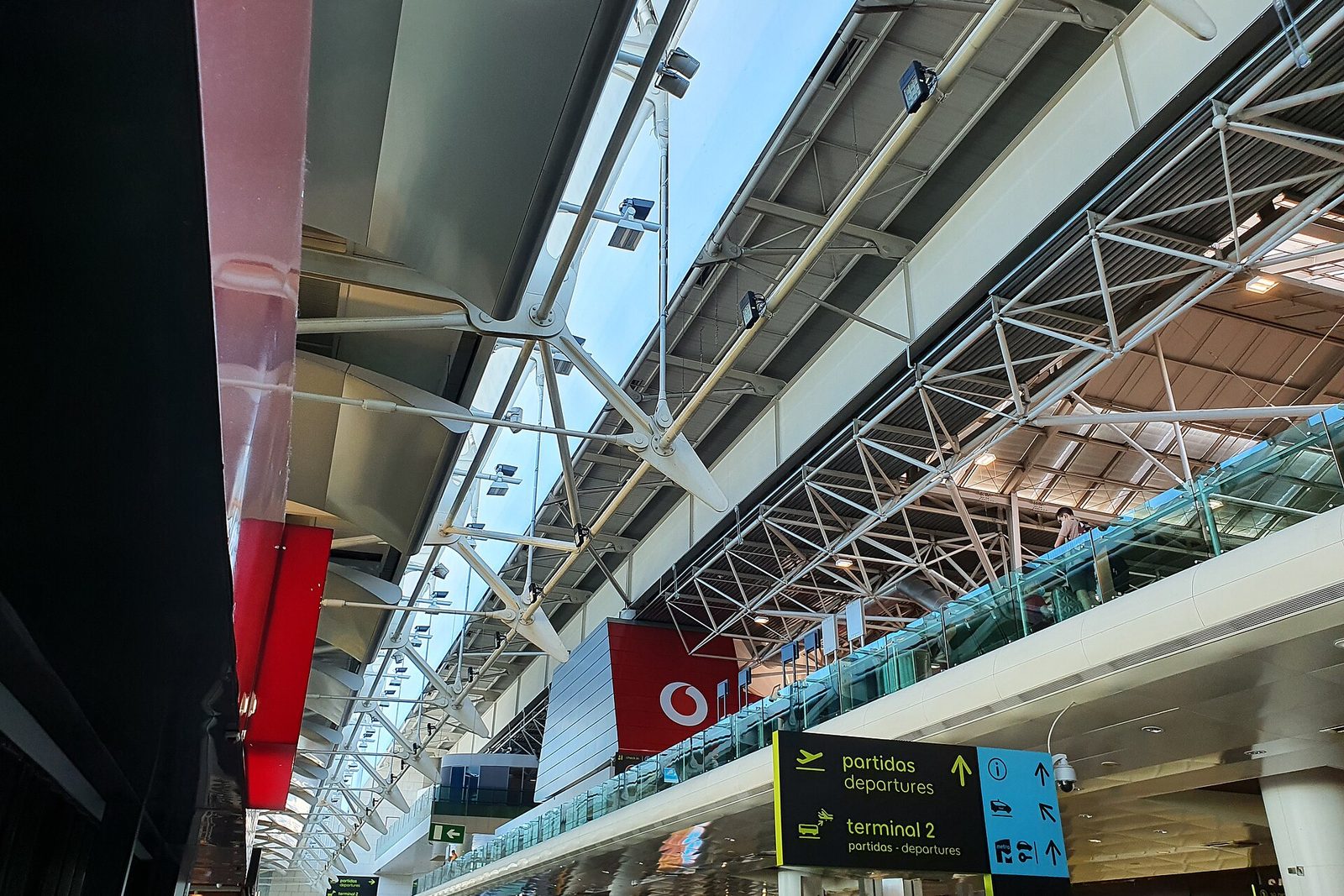
Getting into Lisbon. Lisbon Airport has its own metro station, and the line runs to downtown in about 20 minutes, the airport says. Buy a reloadable Navegante card (€0.50) and top it up; it also works on Carris city buses, which only take luggage up to 50 x 40 x 20 cm. Gare do Oriente, the main station for trains around the country, is about 10 minutes away by metro. Visit Lisboa's Lisboa Card bundles free public transportation in the city with free entry to 51 museums and monuments, including Jerónimos Monastery and Belém Tower.
What this guide doesn't cover yet: Porto, the Algarve and the islands, and the best months to go. We'll add them once we've checked them.
Sources
- U.S. State Department, Schengen area entry requirements
- eu-LISA, Entry/Exit System fully deployed across the EU (April 10, 2026)
- Afar, Europe delays ETIAS travel authorization until 2027 (July 13, 2026)
- U.S. State Department, Portugal travel advisory
- U.S. Embassy Lisbon, Weather Alert (Nov. 10, 2026)
- The Portugal News, Unpaid healthcare costs from uninsured foreign visitors to be recovered
- Lisbon Airport, public transportation
- Visit Lisboa, Lisboa Card
- ExchangeRate-API, U.S. dollar rates for Nov. 25, 2026