Before You Go to Canada: No Visa, No eTA, but Bring Your Passport (and a Consent Letter if One Parent Stays Home)
What Canada's border agency asks U.S. citizens to show, what the State Department says about safety, and what your dollar buys. Rules checked Nov. 26.
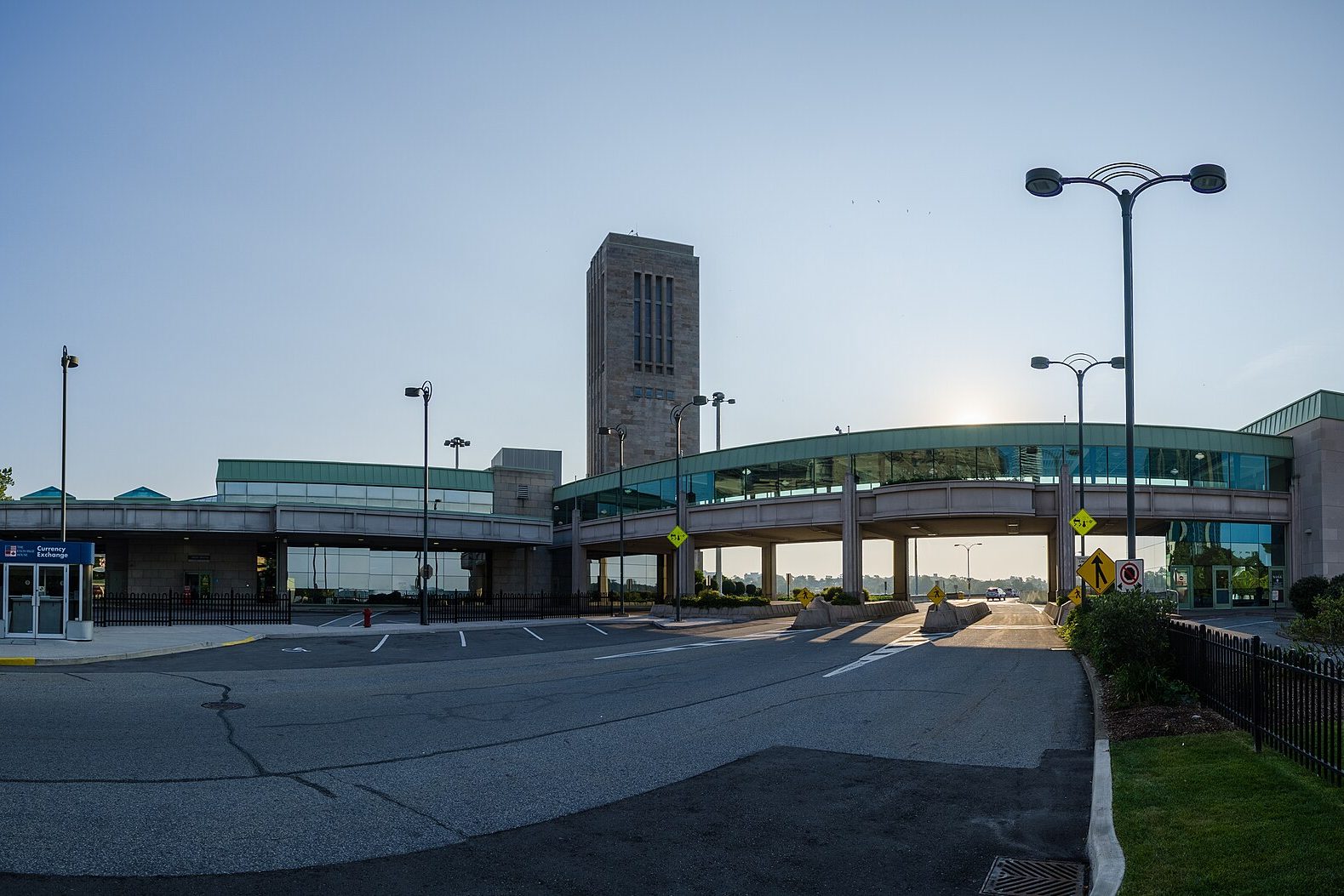

The short version: U.S. citizens need no visa and no electronic travel authorization for Canada. A passport is the safest document to carry, and the one airlines will expect.
Visa and eTA. Immigration, Refugees and Citizenship Canada's entry-requirements page says U.S. nationals don't need a visa or an eTA. The eTA, an online authorization, applies to visitors from other visa-exempt countries; don't pay a third-party site for one.
What to show at the border. The Canada Border Services Agency recommends that U.S. citizens of any age travel with a valid passport. Without one, you can show documents that prove your full name, date of birth and citizenship, such as a birth certificate, a certificate of citizenship or naturalization, or a U.S. enhanced driver's license; if your proof of citizenship has no photo, you may be asked for a photo ID. A border officer decides whether you can enter.
Flying. The CBSA notes that airlines can require different documents than the border does, so check with your airline. Boarding the plane doesn't guarantee entry.
Traveling with kids. The CBSA says to carry identification for each child, copies of custody papers if they apply, and a consent letter with the other parent's or guardian's name, address and phone number if you share custody and that parent isn't coming, or if you aren't the child's parent or guardian. It suggests having the letter notarized, and says officers may ask questions about children traveling with you.
Safety. The State Department's advisory for Canada, issued June 5, 2026, is Level 1, exercise normal precautions. It calls Canada generally safe and says petty crime such as purse snatching, pickpocketing and car break-ins is common in tourist areas. The U.S. Embassy and consulates post security alerts for specific cities.
Money. Prices are in Canadian dollars. On Nov. 25, US$1 bought about C$1.43, so C$1 was about US$0.70. The Bank of Canada publishes the official daily rate.
What this guide doesn't cover yet: driving across the border, what you can bring back, rail and the best months to go. We'll add them once we've checked them.
Sources
- Immigration, Refugees and Citizenship Canada, What you need to enter Canada
- Canada Border Services Agency, Travel and identification documents for entering Canada
- U.S. State Department, Canada travel advisory
- U.S. Embassy & Consulates in Canada, alerts
- Bank of Canada, daily exchange rates
- ExchangeRate-API, U.S. dollar rates for Nov. 25, 2026