Five Hours of Daylight, All Night for the Aurora: How to Do Iceland in a Winter Long Weekend
It is under six hours from New York. Soak on arrival, see the Golden Circle at midday while it is still free, then spend your nights looking up.
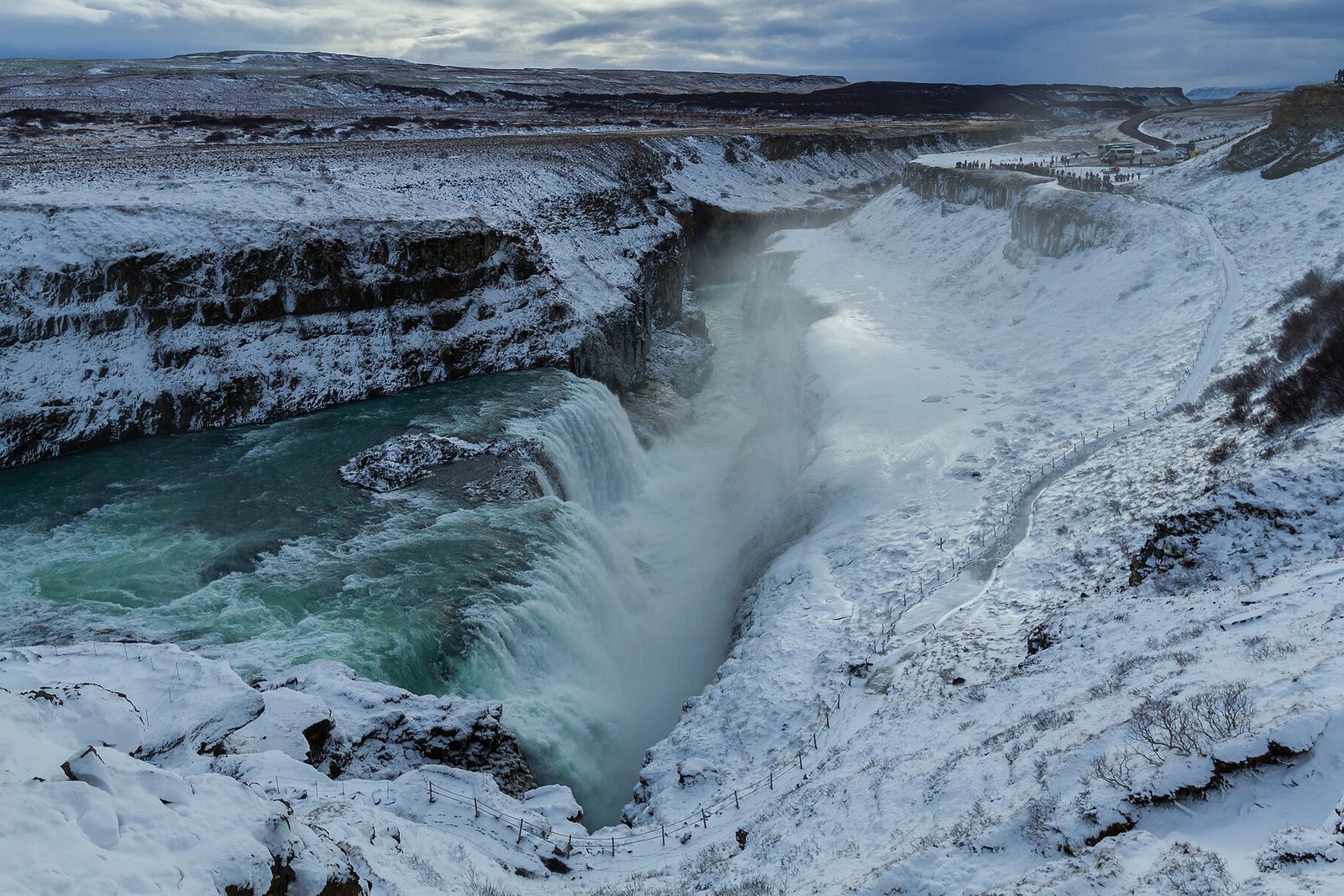

Iceland in winter sounds hard and is actually a short flight. Visit Iceland, the national tourism site, puts New York to Keflavík at 5 hours 45 minutes, Denver at 7 hours and Seattle at 7 hours 15 minutes. The trick is planning around the light.
There isn't much of it. Reykjavík has about five hours of daylight by the end of November. Visit Iceland's advice is to put the big outdoor sights at midday and save the dark for museums, long meals, pools and the sky.
Arrival day: soak. The Blue Lagoon is Iceland's famous milky-blue geothermal pool, and its own site says pre-booking is essential. Comfort entry, with a towel, a silica mud mask and a drink, starts at ISK 12,990 (about $104). Premium, which adds a robe and two more masks, starts at ISK 15,990 (about $128). Before any outing, check Safetravel, which posts alerts for eruptions and earthquakes on the Reykjanes Peninsula.
Day two: the Golden Circle, which means Þingvellir, Geysir and Gullfoss. Right now there is no state entry fee. A bill before parliament would charge foreign visitors for a pass from May 1, 2027; our separate story explains.
Nights: look north. The aurora season runs from September to April. You need darkness, clear or broken skies and solar activity, and your odds improve a lot outside town. Visit Iceland says activity is usually strongest around midnight and suggests giving yourself several nights. Some countryside hotels offer a northern lights wake-up call. Nobody can promise you a show.
Day three: the South Coast, for the waterfalls Seljalandsfoss and Skógafoss and the black-sand beaches. Expect 32 to 41 degrees Fahrenheit near the coast, with rain, sleet, snow and sun possible in the same afternoon, and wind that makes it feel colder.
Should you drive? Visit Iceland says winter roads are tough and that May to October is safer for driving. If you are not used to ice and wind, book bus tours for days two and three. Shuttle buses also connect the airport with central Reykjavík.
The State Department rates Iceland Level 1, exercise normal precautions, and notes quickly changing weather, active volcanoes and earthquakes. Dollar figures use exchange rates from Nov. 20, 2026.
Sources
- Visit Iceland, Iceland in November
- Visit Iceland, The Northern Lights
- Visit Iceland, How to get to Iceland
- Visit Iceland, Getting around
- Blue Lagoon, Plan your day visit
- Safetravel, Be safe in Iceland
- Iceland Review, Iceland's nature fee: the right idea, too narrowly designed
- U.S. State Department, Iceland travel advisory